

Is There A Camera That Still Has An Optical Viewfinder
DSLR vs mirrorless cameras in 2022: we explain the pros and cons of both types
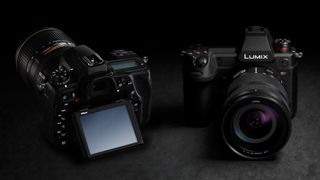
The DSLR vs mirrorless debate is not quite over nonetheless! It's true that camera makers take largely switched over to mirrorless camera development, simply DSLR cameras are still being fabricated, withal being sold and withal beingness bought!
DSLRs and mirrorless cameras differ in their construction and design, but not in their sensors, image quality, technologies and indeed many of their features. A Nikon D850 DSLR will requite the same image quality as a Nikon Z7 Ii, which has essentially the same sensor – bar a few more than recent developments in epitome processing.
The differences are elsewhere, both on the outside in terms of body design, and inside in terms 4K (or even 6K or 8K) video capture. Merely one huge factor that should not be forgotten is personal preference. Ultimately, your selection between mirrorless and DSLR will probable come up downward to which one you similar more!
DSLRs and mirrorless cameras offer a distinctly dissimilar shooting experience, and while mirrorless cameras take the latest technology on their side, DSLRs accept more traditional physical qualities, including optical viewfinders and onetime-fashioned virtues like battery life.
So let's accept a look at some of the differences in more particular.
Mirrorless vs DSLR in 2022: arguments for and against!
ane. The mirror
DSLRs and mirrorless cameras both show the scene through the camera lens itself as you compose the moving picture, just the way they display it is completely different. DSLRs use a mirror to reflect an optical paradigm upward into the viewfinder. When yous have a pic, the mirror flips up and then that the paradigm can then laissez passer to the dorsum of the camera where the sensor is exposed to the paradigm.
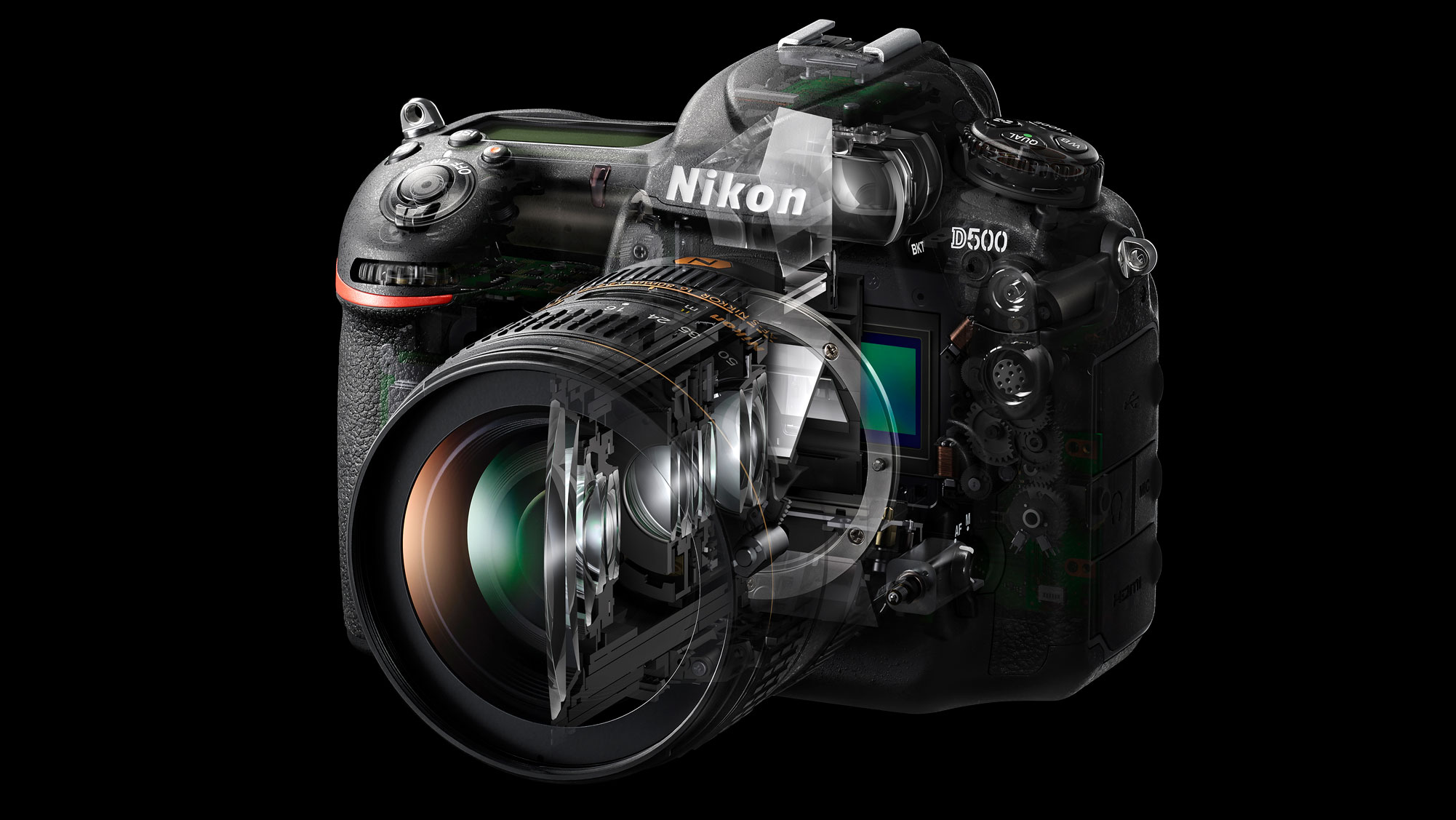
Mirrorless cameras accept a different approach. They utilize the 'live view' captured by the photographic camera sensor itself to create an electronic paradigm that tin can exist displayed either on the rear screen or in an electronic viewfinder. There is no mirror mechanism to flip up and out of the fashion.
But what sounds like a win-win situation is a trivial more complicated than that. First, many people adopt the optical image of a DSLR viewfinder. Second, digital displays consume a lot more than ability, and mirrorless cameras still can't compete with DSLRs for bombardment life.
2. Autofocus
The key departure here is that mirrorless cameras use a single autofocus system for both rear screen and viewfinder shooting, whereas DSLRs – confusingly – utilize two.
DSLRs use dedicated 'phase detect' autofocus sensors which are in the base of the camera backside the mirror. When you lot accept a picture, the mirror flips upward and out of the mode and the AF sensor is no longer available.
Back when DSLRs didn't take live view, this wasn't a problem. Only when the need grew for live view shooting using the rear screen, DSLRs had to switch to autofocus systems that used the epitome formed on the sensor itself.
And then you have a situation that persists to this day – DSLRs have one autofocus system for the viewfinder and a dissimilar ane for live view shooting.
One time, the dedicated phase-find autofocus systems of DSLRs gave them a speed advantage over mirrorless cameras, but now mirrorless cameras have caught upwardly and, in many instances, surpassed DSLRs.
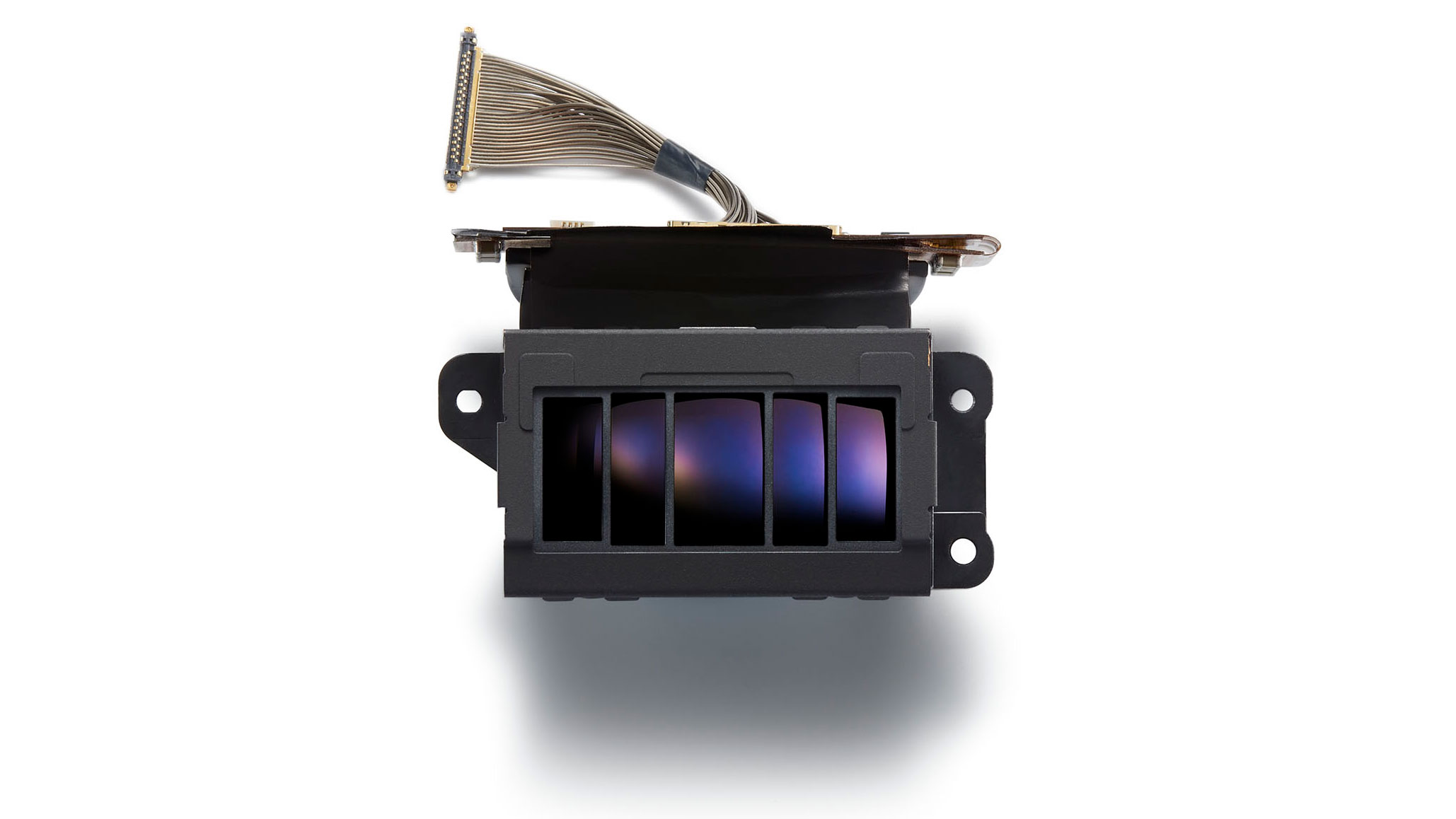
Many newer DSLRs similar the Nikon D780 also accept on-sensor stage-detect autofocus for fast live view shooting, equally exercise Canon DSLRs – but they STILL have two different AF technologies when swapping from viewfinder to alive view shooting.
Mirrorless cameras can at present be successfully used for fast-moving sports and action photography that once demanded a DSLR. In fact, if y'all await at the capabilities of the hybrid on-sensor autofocus organisation in the latest Sony A7 IV, even DSLR diehards would have to concede that the separate phase-detect AF systems in DSLRs are dinosaurs by comparison.
three. Viewfinders
The blueprint of mirrorless cameras means they need to use electronic viewfinders. These have improved hugely in a very short space of time.
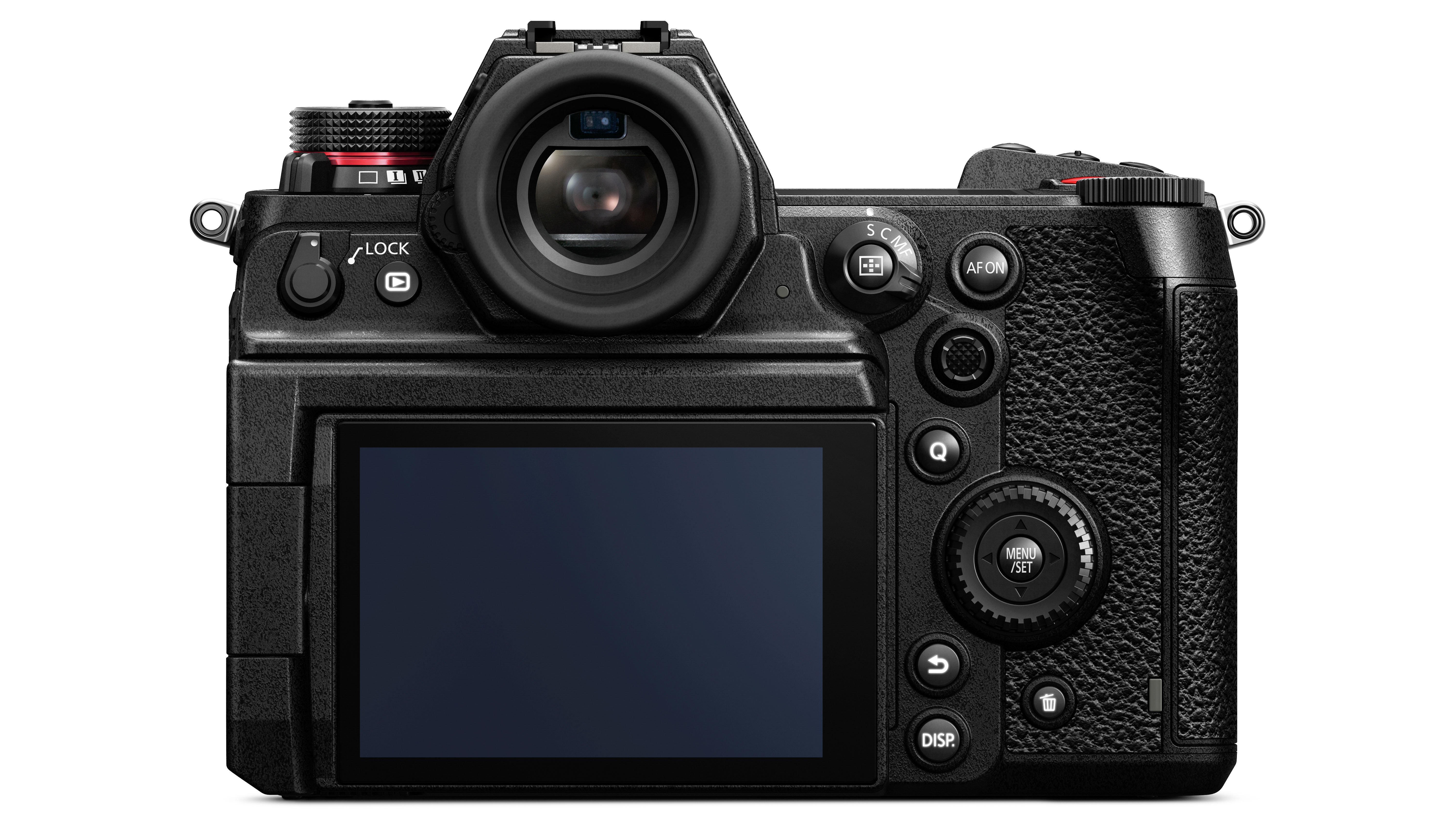
The latest and best electronic viewfinders bachelor today have such loftier resolution that you can inappreciably see the 'dots' and they accept a clarity that genuinely approaches optical viewfinders.
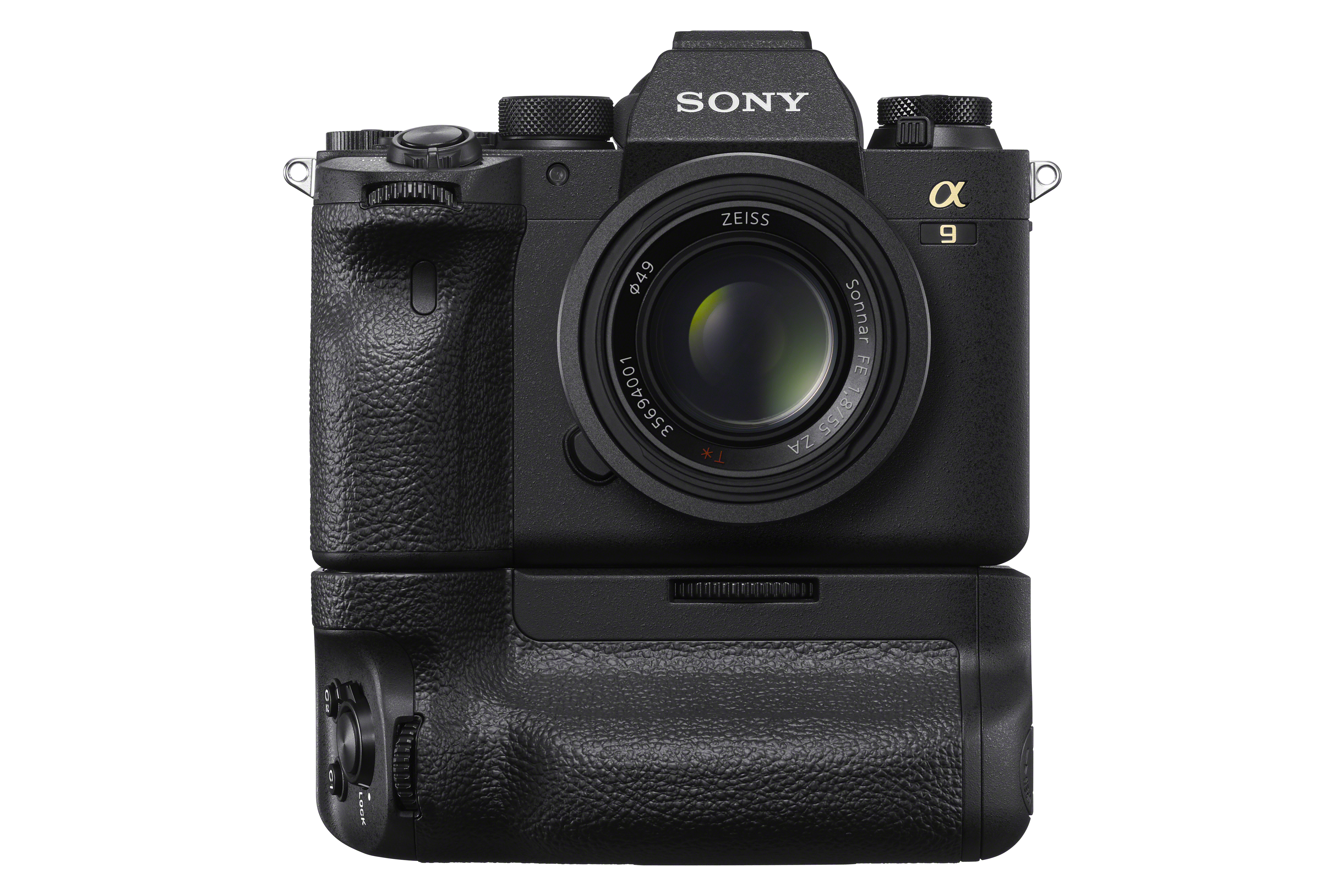
Viewfinder lag is less of an issue than it used to exist cheers to faster refresh rates, and the most recent area of focus for manufacturers has been in the coma effect you would typically encounter when shooting continuous bursts of images. Sony managed to eliminate this on its A9 model, and Panasonic claims the same for its Lumix G9 .
Electronic viewfinders tin can testify a more clearly visible view of a scene in depression light, and have zoom functions for precise transmission focusing – two highly underrated benefits of electronic viewfinders. Considering of their auto-gain low-cal amplification event, electronic viewfinders let y'all etch and shoot images in virtually darkness, and have made small-aperture telephotos similar the Catechism RF 600mm f/11 and RF 800mm f/xi perfectly applied to use.
It's likewise worth pointing out that if you are a fan of vintage manual lenses which demand to be used in stopped-down mode, a DSLR viewfinder will exist mode besides dark but a mirrorless EVF will be fine.
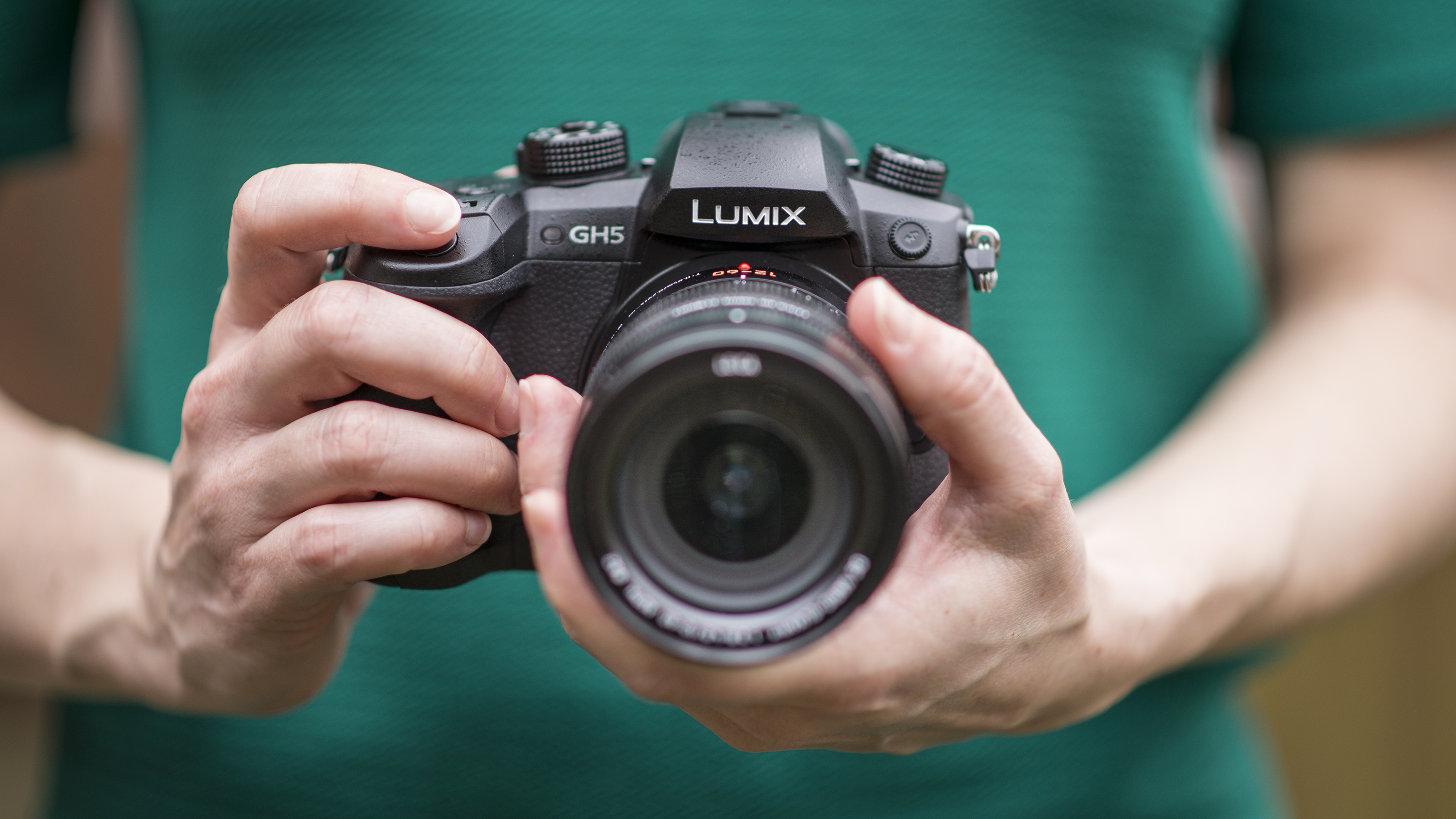
Notwithstanding, many photographers still prefer the 'naked eye' view of an optical viewfinder over a digital one. You'll soon see the image the photographic camera has recorded in playback manner anyhow.
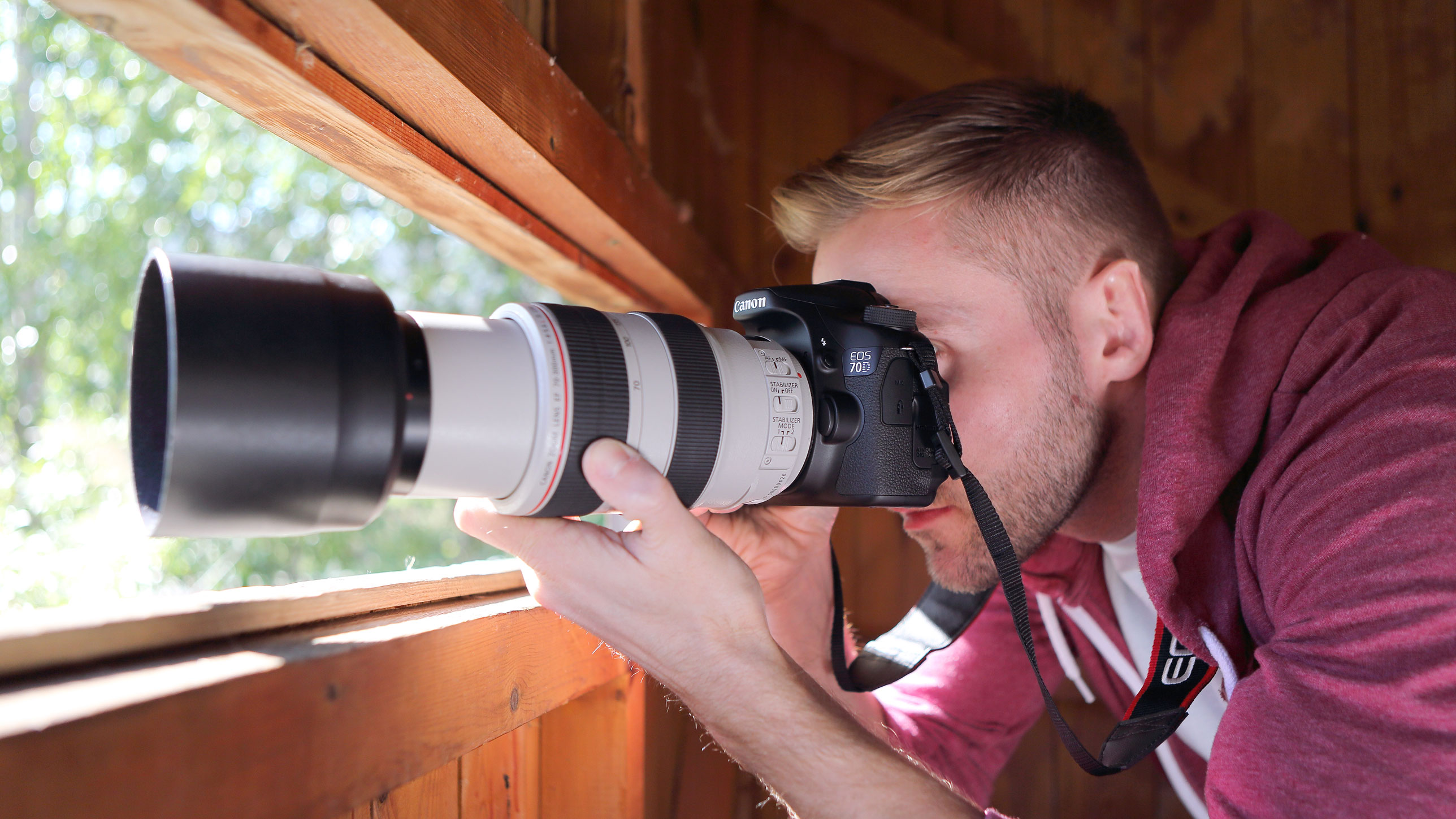
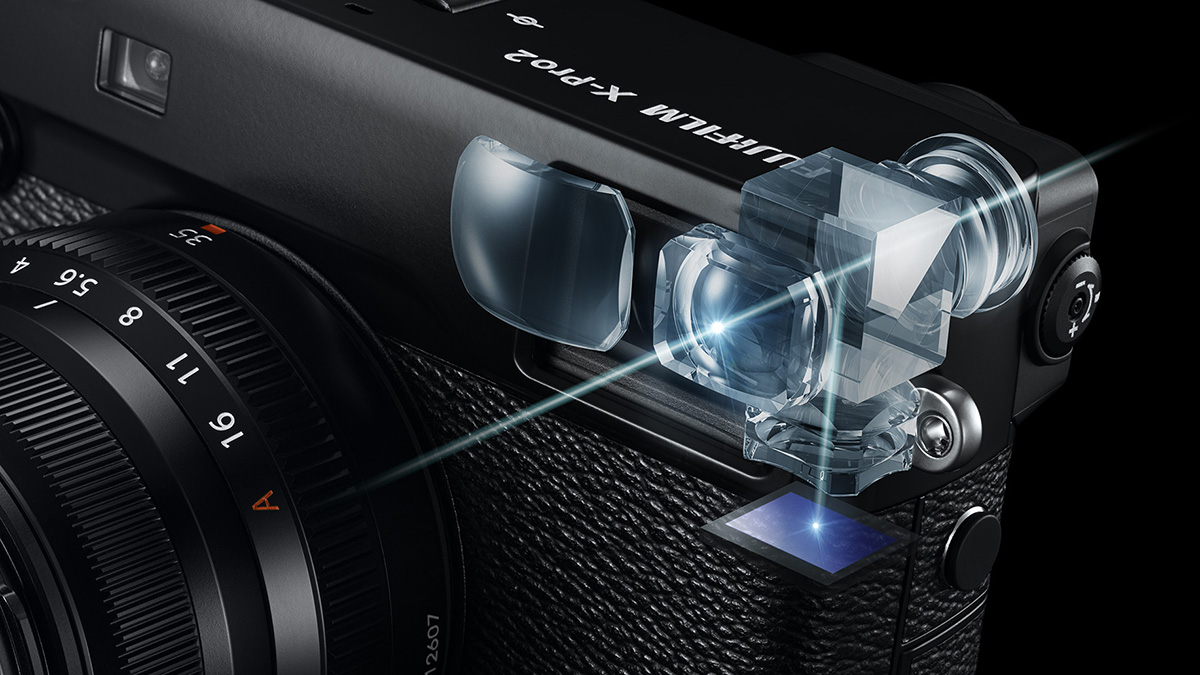
Optical viewfinders take another key reward that'south particularly relevant for sports and activeness photographers. In that location is unavoidable screen coma in the camera's flare-up shooting mode as the mirror flips upwardly and down between exposures, simply this is rarely an issue – the key betoken is that in that location is no lag, and it's much easier to follow a fast-moving subject area with a high-speed DSLR like the Nikon D500, for example, than it is with the average mirrorless camera.
4. Battery life
Even very bones DSLRs volition happily offer 600 shots per battery charge, merely the entry-level Nikon D3500 DSLR, for instance, can capture up to 1,550 images on a unmarried accuse. The very best pro DSLRs can rattle off virtually 4000 frames per charge, although this is admittedly with considerably larger batteries. With the Nikon D6, Nikon claims a stunning battery life of 3,580 shots – and twice that if the photographic camera is used for high-speed continuous shooting.
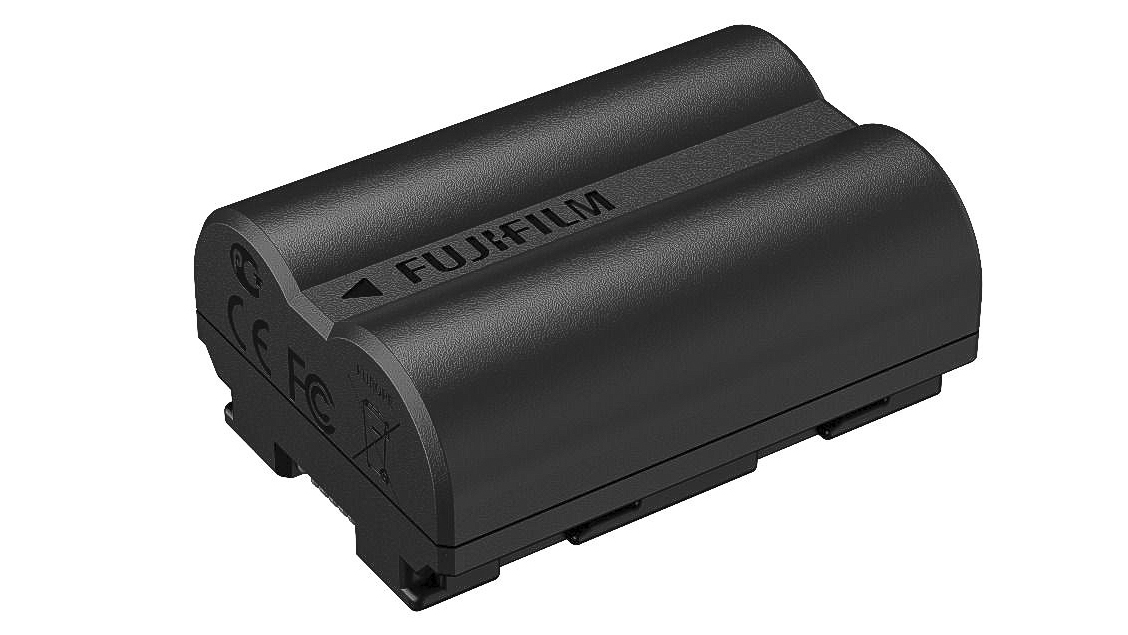
Mirrorless cameras, however, fare far less impressively here, with effectually 350-400 frames per charge being the norm while some are a whole lot less. The Sony A7R Iii ushered in an extended 650-shot bombardment life virtually double that of its predecessors, and the Sony A7R Iv even improves on that slightly, so that's a significant footstep forwards, but the Catechism EOS RP tin only manage 250 shots.
Mirrorless cameras are inherently more dependent on battery power than DSLRs. Either the LCD display or the electronic viewfinder is on all the fourth dimension. Furthermore, the fact that virtually manufacturers try to make mirrorless models as small every bit possible means that their batteries are also small, which likewise presents a limit on their capacity.
Of grade, you can buy spare batteries for cameras in both camps, so whether this is as peachy an issue or not is debatable. Ane advantage of mirrorless cameras, however, is that many now offer charging through their USB ports, like the Sony A6400, which is very convenient when travelling, though this is starting to appear on DSLRs like the Nikon D780 too.
five. Size
The about often claimed advantage of mirrorless systems is that they are much smaller than DSLRs. This is the chief sell of mirrorless systems: the same size of sensor and paradigm quality as offered by a DSLR without the bulk.
But there are often trade-offs in making a mirrorless camera body and then compact, such as battery life, the fashion a camera handles with larger lenses, and how much space there is for external dials and buttons.
Small bodies also means small controls, and users with larger hands may not find smaller mirrorless bodies easy to use. This extends to touchscreens as well, with virtual buttons and controls oft too small for then to be keyed comfortably, so although the Nikon D850 DSLR seems huge in comparison to today'south full frame mirrorless photographic camera, many of its pro users will prefer its size because it makes it much easier to see and change camera settings – and because information technology balances better with big lenses, which is what we cover in the next department.

6. Lenses
DSLRs still accept an advantage for lens choice, just because they've been around and supported for decades. Anyone that opts for a Canon EOS DSLR today has thirty years' worth of native optics to choose from, and many more when you factor in compatible third-party options. Nikon and Pentax are in a similar position with their DSLR ranges.
Even so, the development of new DSLR lenses has slowed dramatically. Canon and Nikon now put most all of their lens development endeavor into mirrorless lenses. Non only that, wider mirrorless lens mounts and shorter dorsum-focus 'flange' distances take given lens designers a blank slate, and many new mirrorless lenses out-perform older DSLR equivalents.
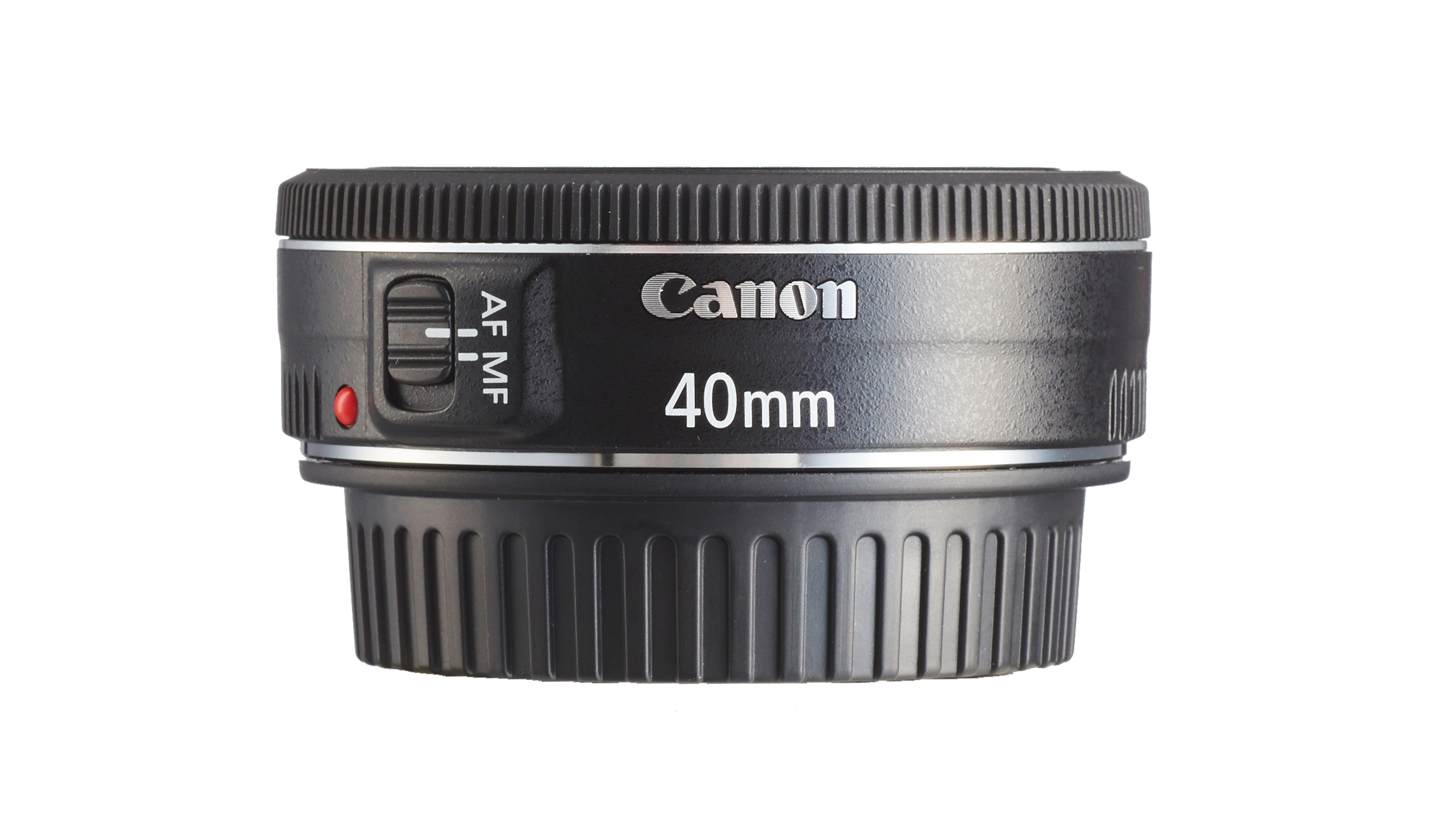
It hasn't taken Sony long to assemble an impressive range of lenses for its full-frame FE mount mirrorless cameras (see our list of the all-time Sony lenses), and Panasonic has been smart plenty enter into an L-Mount Brotherhood with Sigma and Leica to ensure that information technology's already supported with a large and growing lens range. See our guide to the best L-mount lenses for more.
Nikon and Canon have been especially clever with their new total frame mirrorless cameras. Nikon makes an FTZ mount adaptor for using any of Nikon's current DSLR lenses without restriction. Catechism has also launched lens adapters for its EOS R full-frame mirrorless cameras, opening upwards its entire range of EF DSLR lenses to these cameras.
It notwithstanding takes time, though. Nikon's new 'baby' DX mirrorless cameras, the Nikon Z50 and Nikon Z fc, still have only 3 native APS-C lenses.
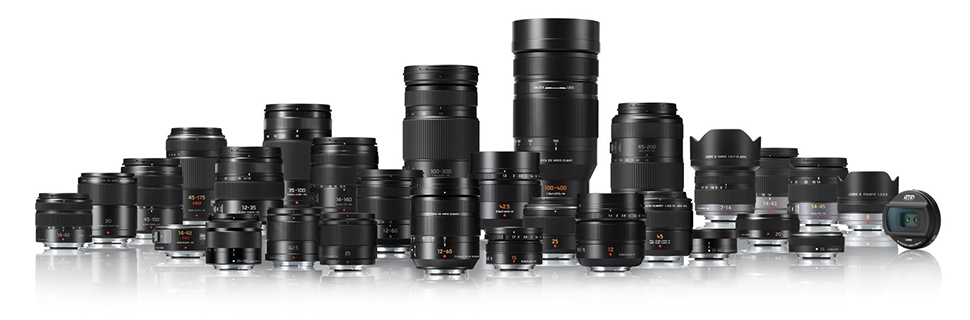
Fujifilm and Olympus have likewise had time to develop their ain native lens systems, to the degree that none of the mirrorless camera brands is now at whatever existent disadvantage regarding lens choice (run across our list of the all-time Fujifilm lenses, for example).
Yet, mirrorless camera lenses are non inherently smaller. Mirrorless photographic camera makers can indeed demonstrate that their camera bodies are a lot smaller than their DSLR counterparts, merely the same can't be said for their lenses.
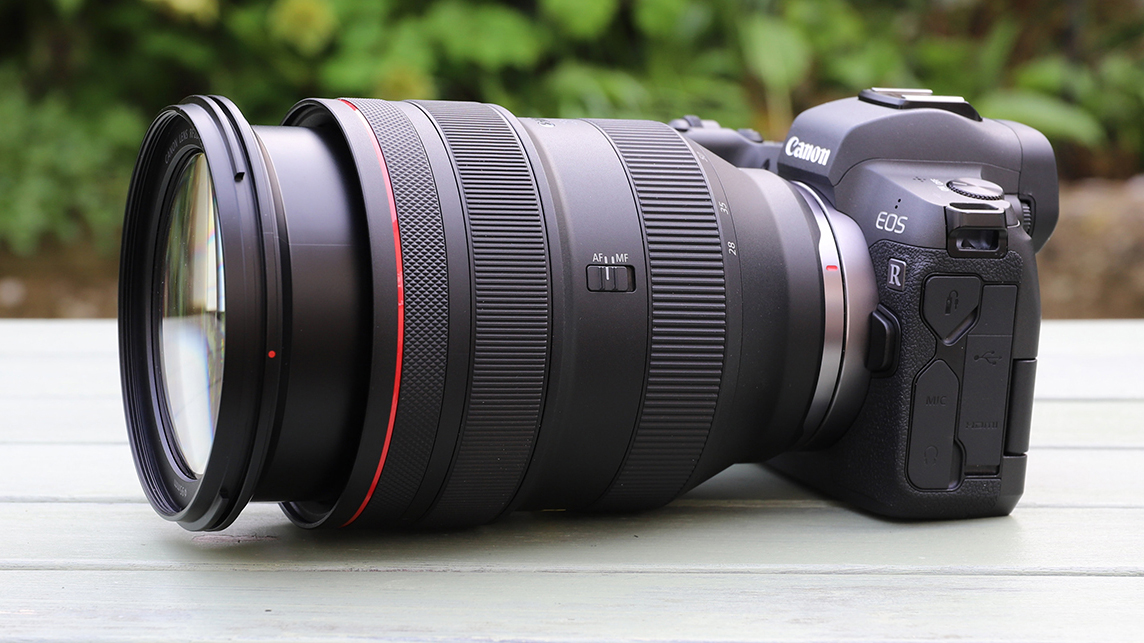
It'south the sensor size that largely determines the size of camera lenses, not whether. the photographic camera is mirrorless or not. Some mirrorless makers accept produced small or retracting lenses that do offer a size saving, but when lens makers produce mirrorless lenses to match the specifications and operation of DSLR lenses, they end upwardly pretty much the same size.
This not only undermines the 'mirrorless is smaller' statement, information technology produces handling issues with small-body-big-lens combinations. Sony's A7-series photographic camera bodies are remarkably pocket-sized, but many of its lenses – peculiarly its tiptop-quality G Principal lenses – are unexpectedly big. You might find yourself buying a battery grip for your mirrorless camera merely to make it handle ameliorate with your favourite lenses.
7. Video
This is where mirrorless cameras have a considerable advantage, and for 2 primary reasons. Offset, their design makes them much better suited to the constant 'live view' required for video capture. Second, this is where camera makers are concentrating their video capture technologies and where you're going to get the best video features and performance.
Only let's not forget that DSLRs tin shoot video also. The Nikon D90 brought HD video to the consumer market, and the Canon EOS 5D Ii brought DSLRs into the professional person videography and pic-making arena.
For today's DSLRs, video capture is a standard feature, and the Nikon D5, D850 and Catechism EOS 5D IV offering 4K video capture, while the Nikon D780 is as constructive for video every bit whatsoever mirrorless camera.
Even and so, when it comes to 6K and 8K capture, raw or 10-bit video, high frame rates and more, all the effort and development work is going into mirrorless cameras.
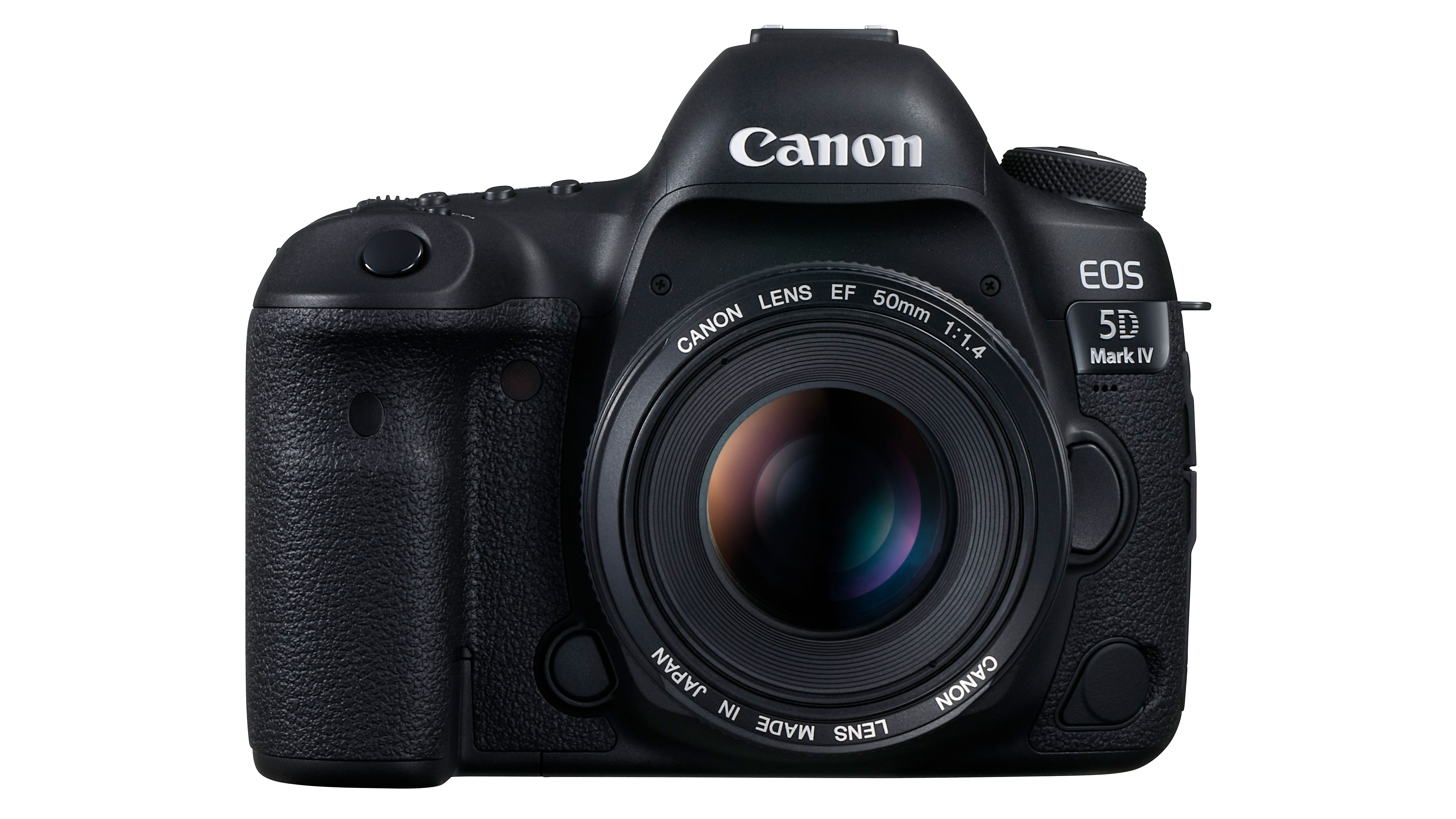
DSLRs tin can nevertheless shoot video that's fine for commercial photographers working for clients who've started asking for this aslope still images. But the best mirrorless cameras have stretched out a big gap in features and operation to the extent where they're competing with full-on cinema cameras and broadcast-quality camcorders.
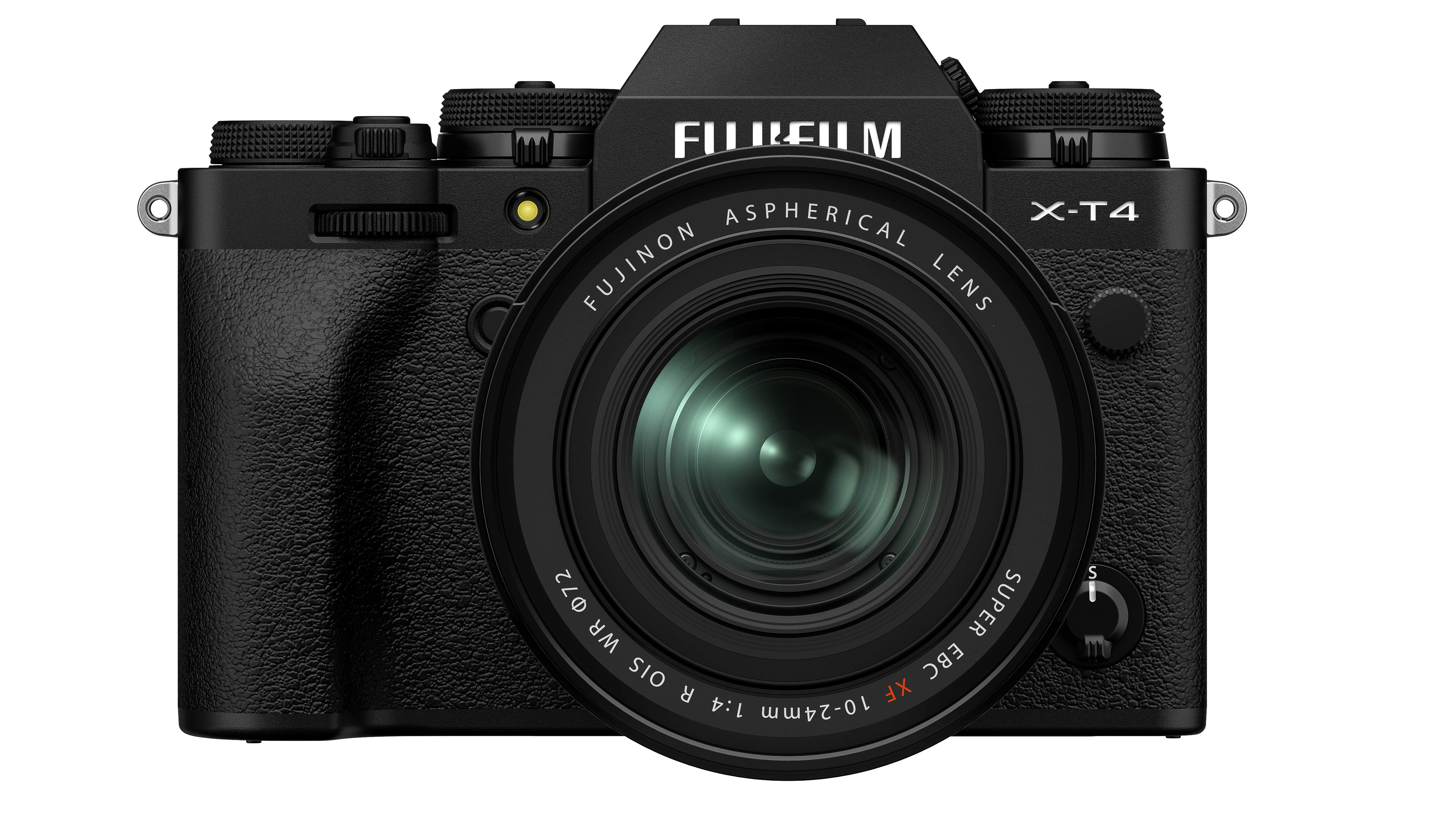
Sony has led the manner with high-quality 'oversampled' 4K video in its full-frame mirrorless A7-series cameras like the A7 Three, and Fujifilm and Panasonic now have cameras capable of capturing 4K video at 60/50fps for smooth 2x slow motion furnishings in the Fujifilm X-T4 and Panasonic Lumix GH5 Mark II and GH5S. The Panasonic Lumix S1H has already received accreditation from Netflix for original content creation.
• Read more: Video jargon explained
The Canon EOS R5 likewise got much attention for its 8K 30p video capabilities, and Sony has joined in with the 8K Sony A1, equally has Nikon, with the Nikon Z9.
If you only need video occasionally a DSLR volition be fine, simply if you need to shoot information technology as an important (or THE nigh important) part of your work, so mirrorless is the mode to become. It's not simply the cameras – mirrorless lenses increasingly characteristic high-tech focus actuators and silent stepping motor autofocus technology for shine and silent focus transitions when filming; the majority of DSLR lenses were designed at a time when this wasn't fifty-fifty imagined.
DSLR vs mirrorless: the final discussion
Despite the blitz towards mirrorless camera technology, the DSLR vs mirrorless debate is not completely one-sided. Here's a summary of the pros and cons of each camera type.
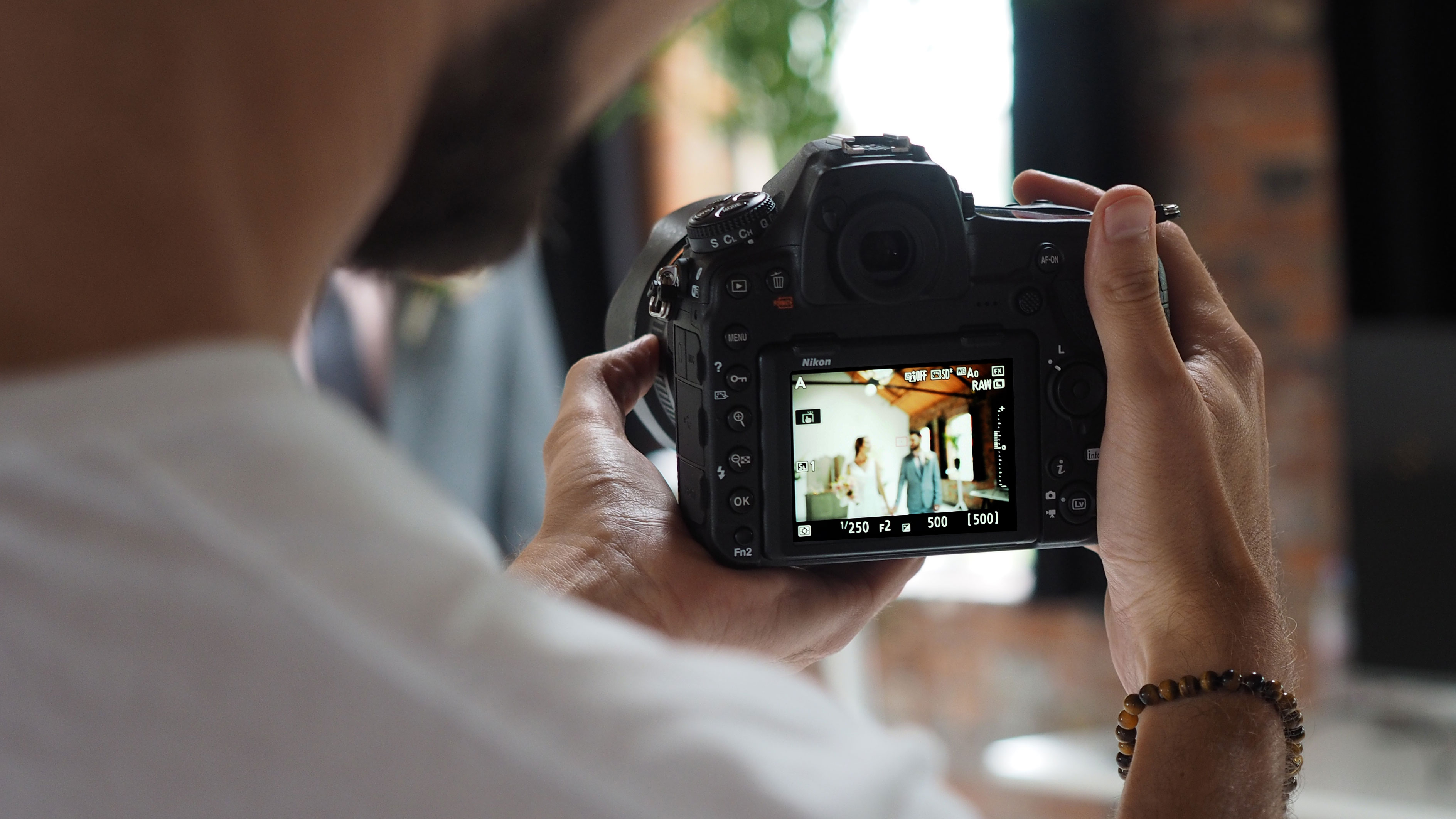
When to choose a DSLR
DSLRs are bigger, fatter, chunkier and more 'grippable'. They handle better with bigger lenses (and lenses are getting bigger, yr by year) and they have more than space for external controls, then you spend less time navigating digital interfaces and tapping at touchscreens – and their batteries concluding all twenty-four hour period instead of just the morning.
They likewise have optical viewfinders. Mirrorless users might non care, but DSLR fans would never bandy the 'naked eye' viewfinder image of a DSLR for a digital simulation, no affair how good.
There's another thing. If you're on a tight budget you'll have to work hard to observe a mirrorless camera with a viewfinder for the aforementioned toll as a DSLR – you will struggle to get a mirrorless APS-C camera with a viewfinder for the aforementioned prices as a Nikon D3500 or a Canon EOS 2000D. DSLRs are still amongst the best cameras for beginners.
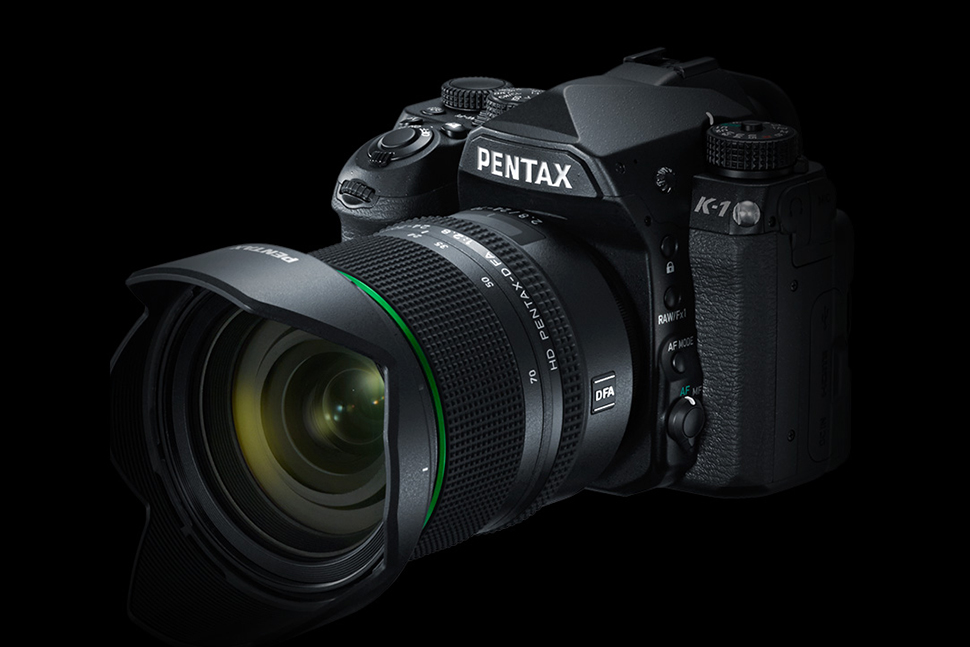
When to choose mirrorless
Mirrorless camera bodies are smaller and, if you cull carefully, yous can get smaller lenses to go with them – though this only really holds true with the Micro Four Thirds format, every bit APS-C and full frame mirrorless cameras come with lenses equally big as their DSLR counterparts.
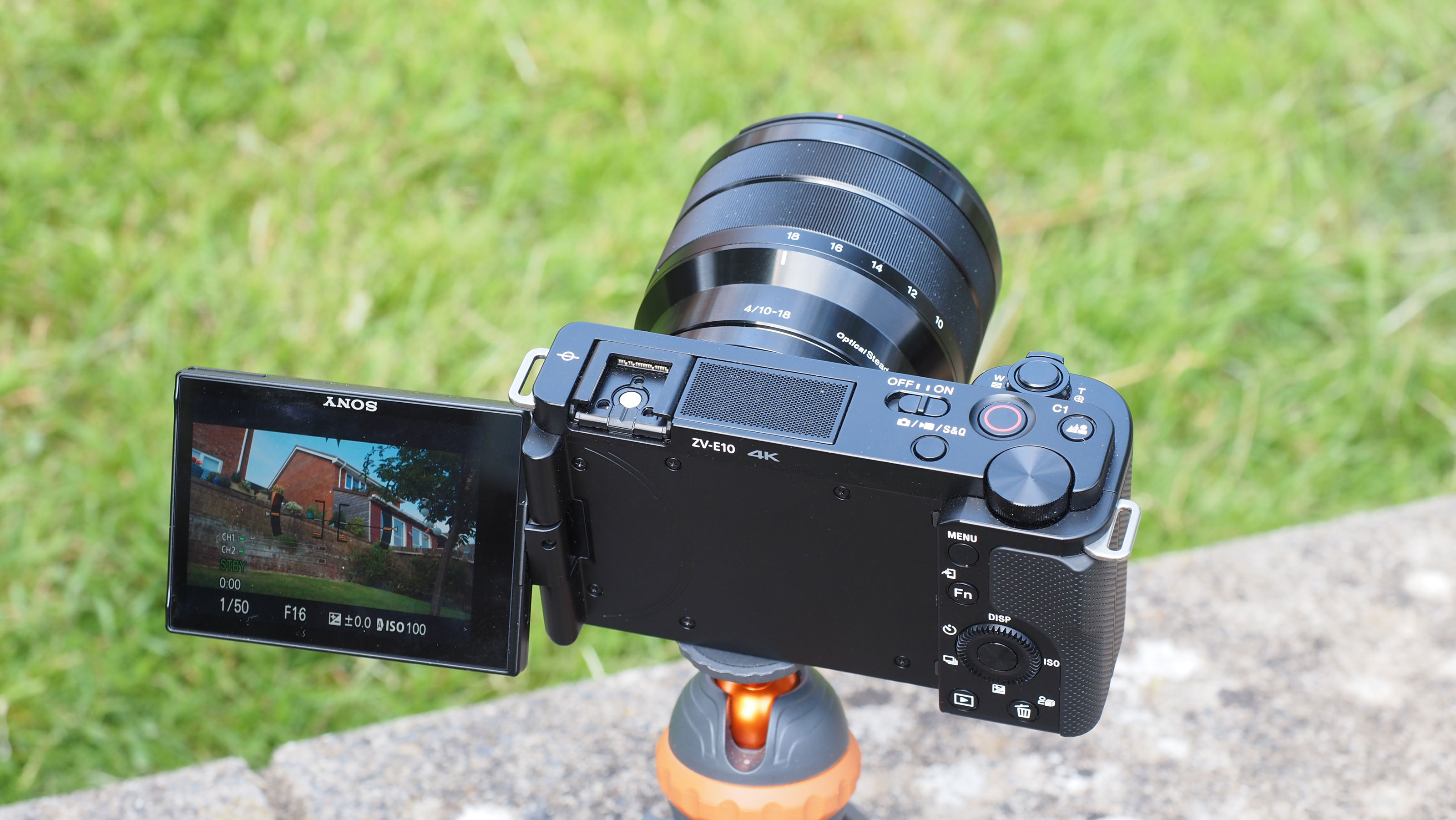
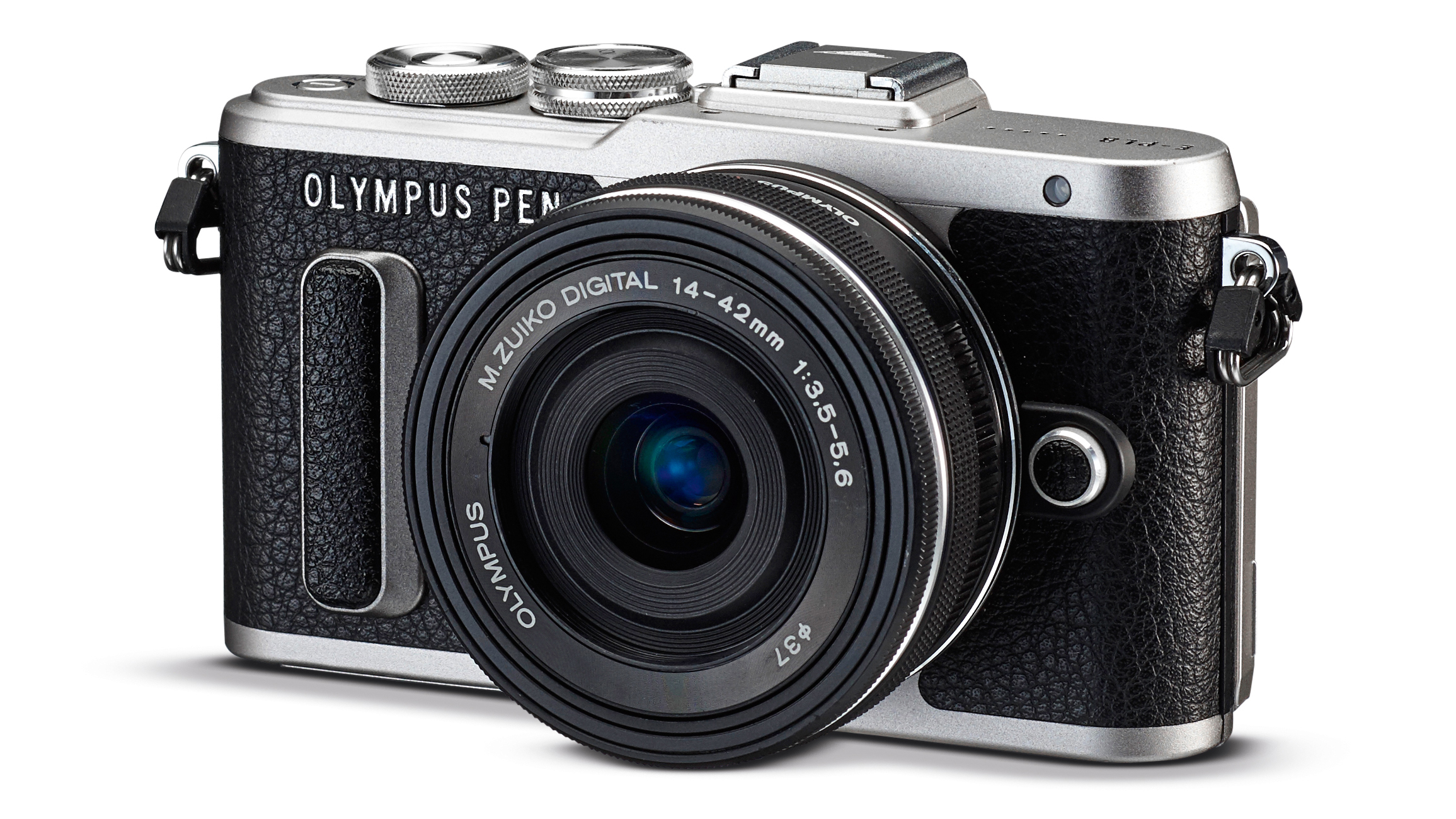
If you're an Instagramer, influencer, blogger or blogger, a mirrorless camera like the Olympus PEN-EPL9 or Catechism EOS M50 is perfect. They're small, light and adaptable and have tilting/vari-angle screens that let you lot shoot from all sorts of angles. They're great for both video and stills and can easily fit in an everyday pocketbook.
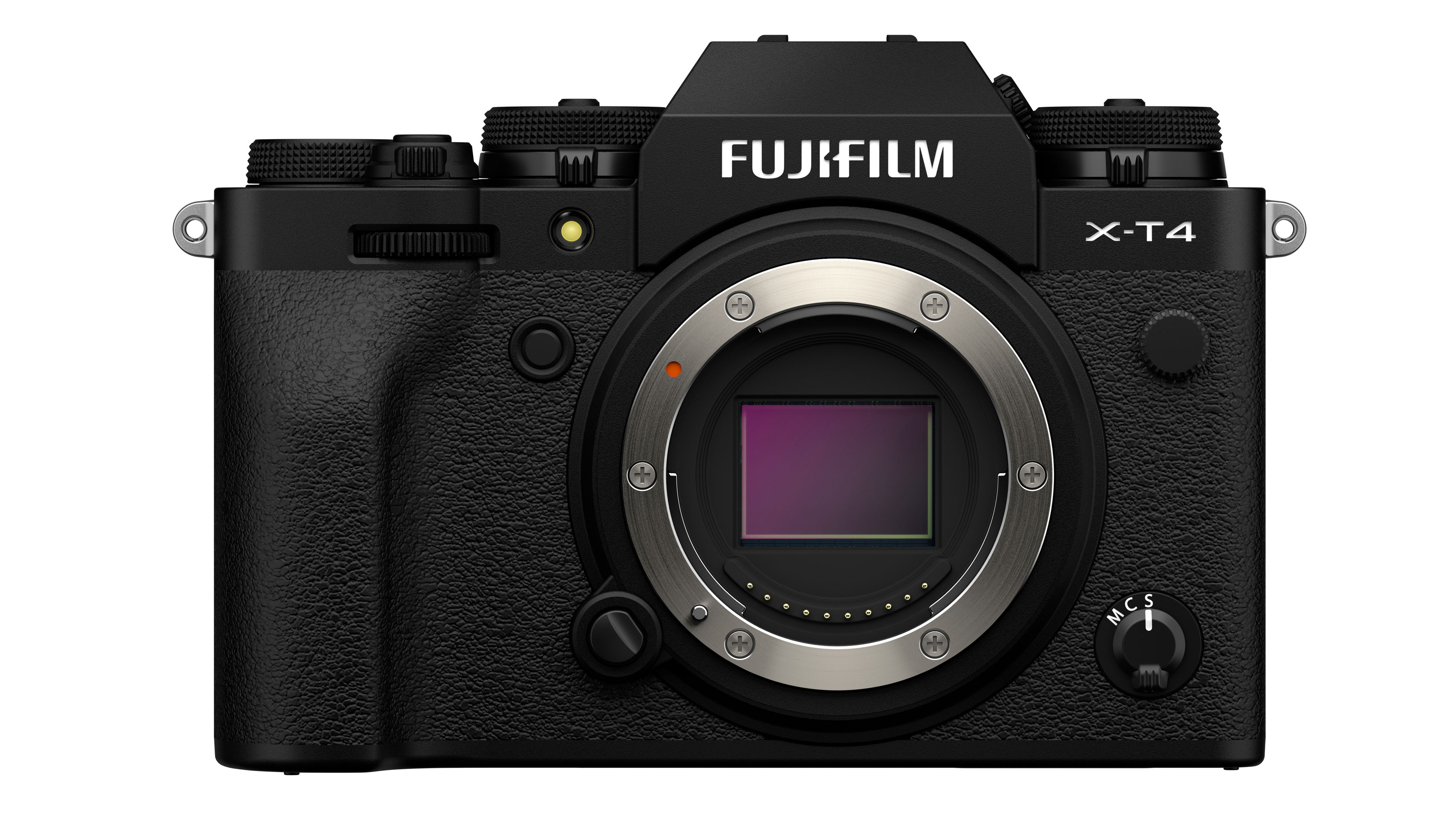
If yous're a pro or semi-pro videographer, mirrorless is the way to go hither, too. This is where all the video evolution in cameras, lenses, hardware and accessories is happening with cameras like the Nikon Z6 II and Sony A7 III. The Panasonic Lumix S1H is a video-axial mirrorless model that's making inroads into the pro cinema market place, and the Fujifilm Ten-T4 is a mirrorless photographic camera with video specs that are currently out on their own in this price range.
There is i terminal paradox. You might say that the DSLR design is retro, just in fact if y'all desire a camera that looks and feels the way cameras used to, then a mirrorless camera is the way to get! See our guide to the all-time retro cameras to see why.
Related articles

Source: https://www.digitalcameraworld.com/features/dslr-vs-mirrorless-cameras-how-do-they-compare
Posted by: mendosapold1939.blogspot.com
0 Response to "Is There A Camera That Still Has An Optical Viewfinder"
Post a Comment